Any survivor in the Palpagos Islands eventually learns that progress smells like burning wood. Charcoal, that humble black lump, is the foundation of gunpowder, refined gear, and base upgrades. But nature doesn’t just hand out ready-made cubes of carbon — oh no. Players must build a furnace, capture a fire-breathing critter, and turn stacks of timber into smoky treasure. This guide walks through every step with a smirk, because watching a tiny fox creature fan a flame while you sip virtual tea is peak Palworld.
The Furnace: Your Ticket to Smoky Goodness
At the core of every charcoal operation stands the Primitive Furnace. Without it, all that wood might as well be kindling for a bonfire that never gets started. This humble structure unlocks at level ten in the Technology menu, and while the name screams “IKEA flat-pack,” it gets the job done. Players must pony up 20 Wood, 50 Stone, and three Flame Organs to hammer it together.
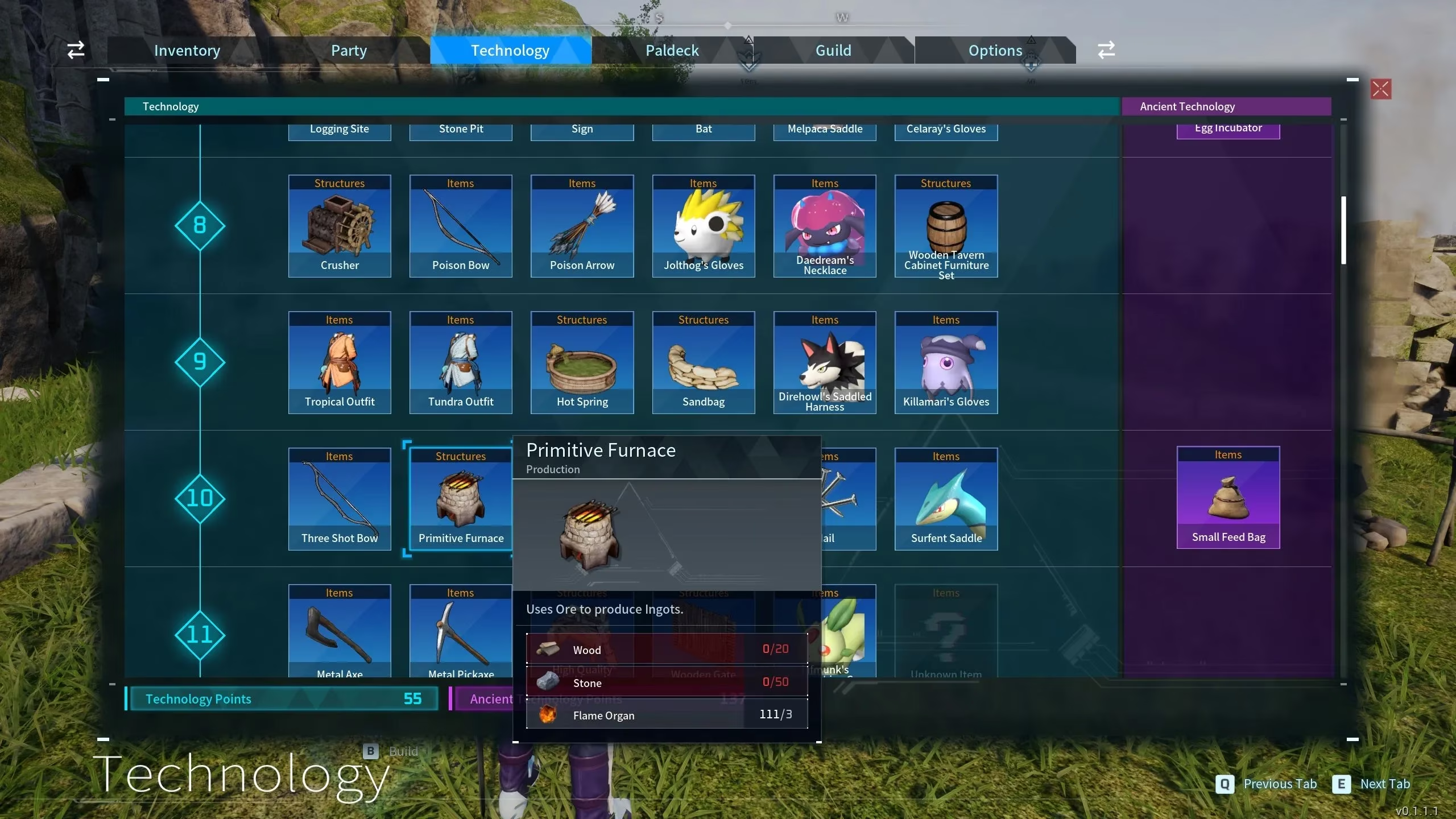
Stone is abundant — just punch a few rocks. Wood comes from trees, obviously. But Flame Organs? That’s where the “pal” part of Palworld starts to matter. These innards drop from fire element pals like Foxparks, the fluffy, eternally enthusiastic fire starter that often spawns near the beginner area. Hunting them is less safari, more enthusiastic pest control. Each defeated Foxparks yields at least one Flame Organ, so a player only needs to tickle three to meet the quota.
Pro tip: don’t turn all organs into furnaces immediately. Keep a few for later because other recipes will demand them, and nobody wants to replay the “roast the fluffy fox” montage.
Gathering the Fiery Ingredients Without Singeing Your Eyebrows
Flame Organs aren’t just for crafting; they serve as a reminder that Palworld is a place where every helpful assistant could have been your opponent a moment ago. Foxparks is the most convenient early-game source. These little fellows prance around grasslands, looking like they’ve just escaped a Pokémon audition. They shoot tiny fireballs, but that’s more adorable than threatening. A wooden club or basic bow makes short work of them if dodging is on point.
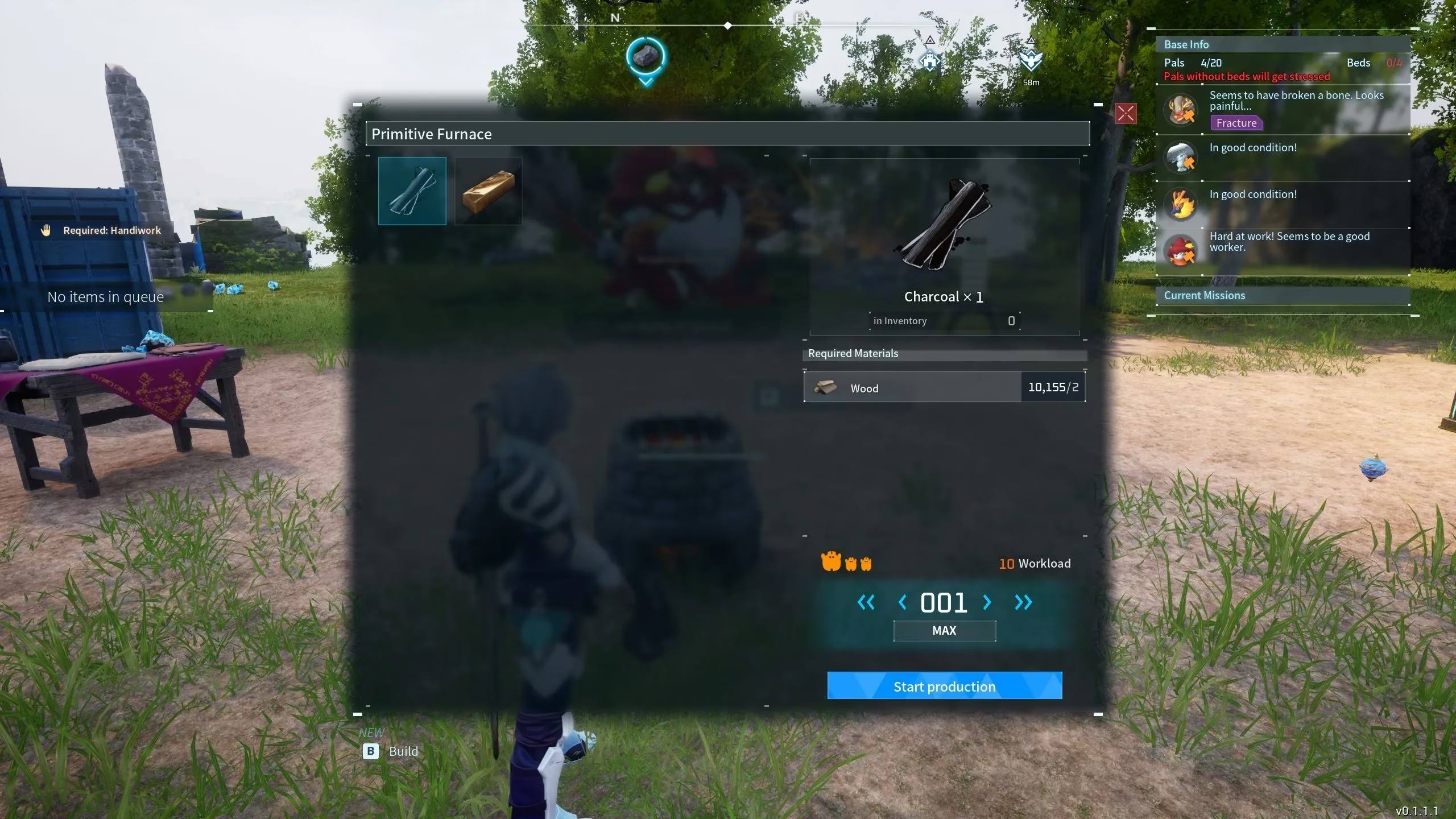
But survivors shouldn’t limit themselves to Foxparks. Rooby, the fire deer, and other blaze-loving pals roam further afield, offering a chance to diversify that organ portfolio. Still, chasing deer when a fox is right outside the base is like ordering delivery when there’s a pizza on the ground — unnecessarily complicated. Stick to the foxy plan.
Light It Up and Let the Pals Do the Work
Building the Primitive Furnace is only half the battle. A furnace without a fire pal is just a fancy stone oven mocking the player’s inability to start a spark. To actually produce Charcoal, the player must assign a fire element pal to the furnace. Foxparks again saves the day. Pick it up (literally, the game lets you hoist pals) and toss it at the furnace, or use the monitoring stand to set job priorities.
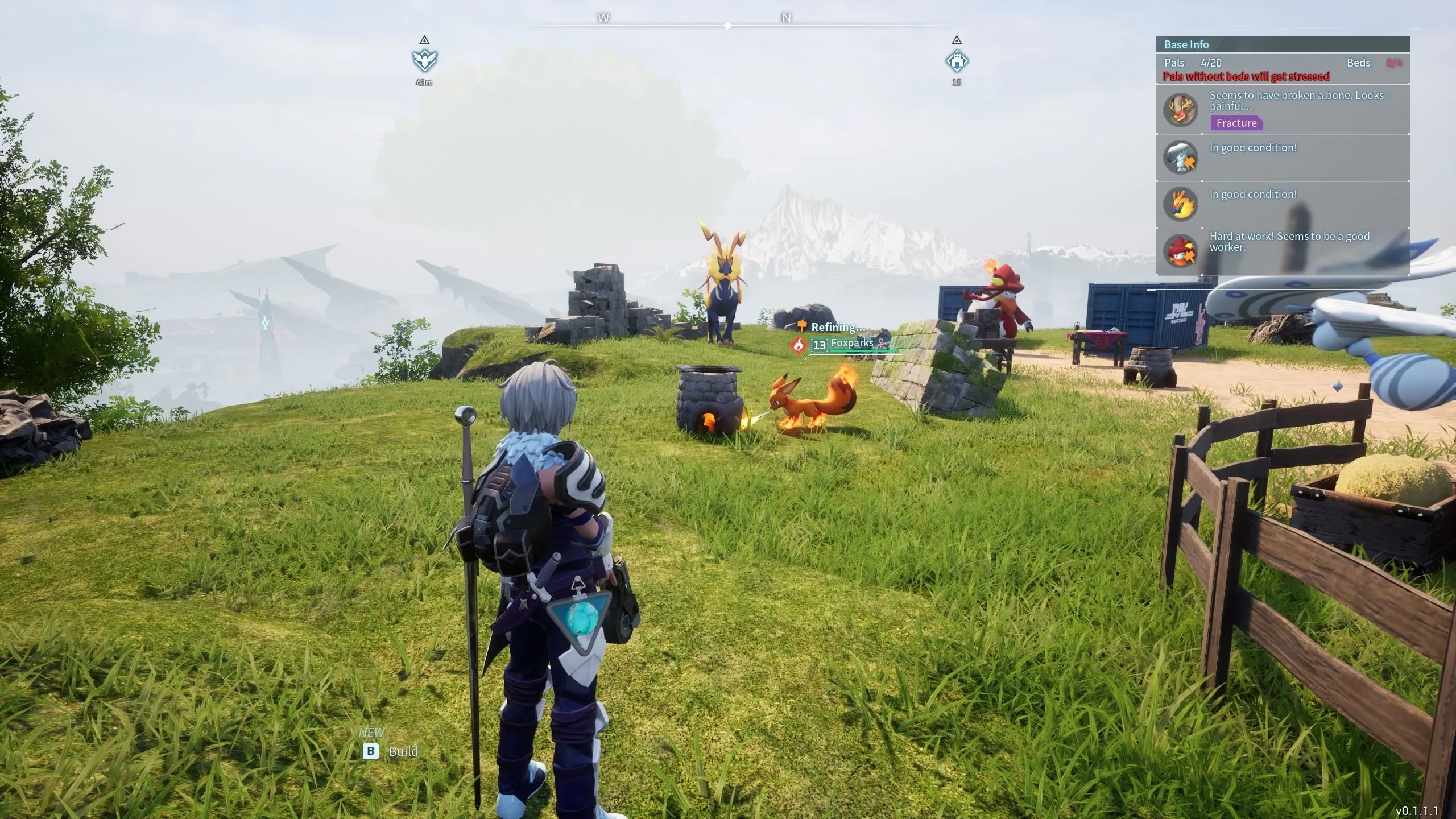
Once the pal starts working, the furnace interface shows a Charcoal recipe waiting with a simple offer: wood goes in, charcoal comes out. Players can load the furnace with as much wood as they dare. Then they walk away, perhaps to build a hot spring or chase flying pals, while Foxparks transforms timber into pure carbon dedication. The exchange rate is generous: two pieces of wood become one charcoal. That might sound stingy, but wood practically grows on trees, and charcoal becomes the currency of conflict.
While the little fox toils, the base feels alive. The soft roar of the furnace, the rhythmic puffing, the occasional yawn from a sleeping Lamball — this is Palworld’s symphony of production. Don’t forget to occasionally check in; a full furnace stops working, and a hungry pal might wander off to snack on berries rather than stoke the flame.
What’s Charcoal Even Good For? (Spoiler: Boom Stuff)
Charcoal isn’t just a fancy black rock to decorate windowsills. Its primary destiny is to become Gunpowder, which then becomes ammunition. And ammunition, dear survivors, turns the “Oh no, a giant mammoth” into “I’ll have a new fur coat in ten seconds.” Combine Charcoal with Sulfur — another resource found in dunes and rocky terrains — and the result is a recipe for never needing to run away again.

But charcoal also shows up in other recipes like carbon fiber for high-end gear, certain building materials, and even healing items. By 2026, after supposed updates that added new guns and tech, charcoal remains the unsung hero of every expedition. Every bullet fired at a syndicate camp began its life as a chunk of wood inside a stone furnace, supervised by a tiny fox with an unlimited supply of enthusiasm and no concept of workplace safety.
Another hidden charm: charcoal can be sold or used to craft trade items. Economically minded players might mass-produce charcoal and trade with wandering merchants. But honestly, the real value is self-sufficiency. No more scrounging for ammo crates; just harvest timber, convert it, and rain fire down on any boss that once laughed at a stone spear.
A Few Parting Embers
Charcoal production in Palworld exemplifies the game’s design philosophy: automate the grind so you can enjoy the chaos. Players who master the Primitive Furnace setup early will never lack for firepower — literally. The loop is almost meditative: chop wood, feed the furnace, manage pal sanity, and emerge stronger. In a world full of explosive monkeys and laser-shooting dragons, that quiet factory corner is a sanctuary of progress.
So the next time a friend complains about running out of bullets, don’t hand over spare ammo. Hand them a blueprint for a furnace and point toward a Foxparks den. Teach a survivor to fish — or rather, to burn — and they’ll never be hungry for explosions again. Go forth, set fires responsibly, and always reward that hardworking fire fox with a few belly rubs. It’s not just good for morale; it’s good for charcoal.
Data referenced from VentureBeat GamesBeat underscores how survival-crafting hits keep players engaged by turning tedious resource loops into satisfying automation—exactly the appeal behind Palworld’s charcoal pipeline of “build furnace, assign a fire pal, queue wood, walk away.” When a game makes foundational materials like charcoal flow reliably, it doesn’t just enable gunpowder and upgrades; it supports a long-term progression economy where players spend more time exploring, fighting, and experimenting with base layouts than manually babysitting every craft.