By 2026, Palworld has settled into a strange and wonderful place in gaming history: part cautionary tale, part triumphant meme, and part reminder that nothing tests a development team quite like a million players showing up at once. The game, developed by Pocketpair, arrived as a multiplayer open-world survival and crafting experience where players fight, farm, build, and collaborate with enigmatic creatures called Pals. It was a premise that sounded like a fever dream after too much caffeine — Pokémon with guns, base management, and a suspicious number of creatures that looked ready to file for workers’ compensation. And yet, it worked well enough to capture global attention. The question in 2026 is not whether Palworld made waves. It obviously did. The better question is: what did those waves teach everyone about launch-day chaos?
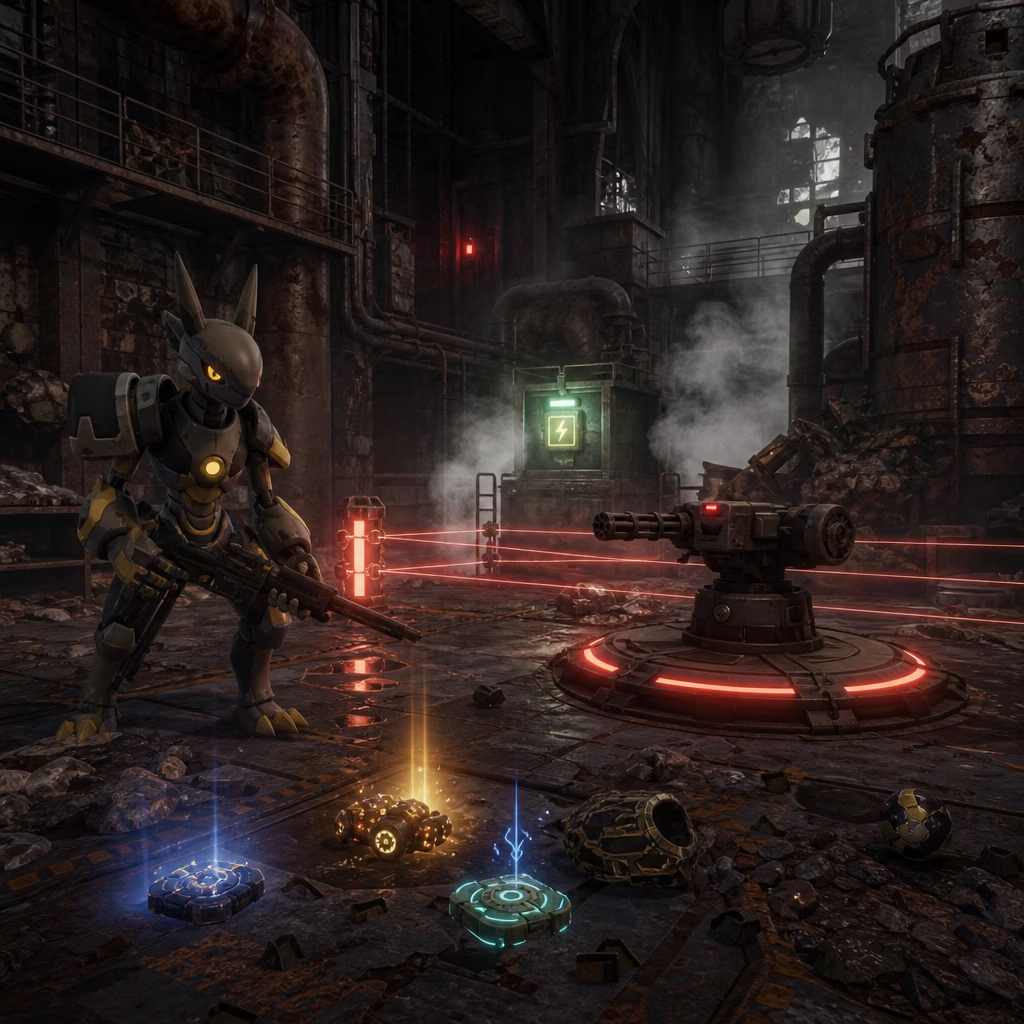
At its peak, Palworld smashed through the Steam concurrent-player record with over 1.1 million live players, putting it ahead of heavily anticipated launches such as Cyberpunk, Elden Ring, and Call of Duty. That is not a small bragging right. It is the kind of number that makes server engineers stare blankly at their monitors and whisper, “Surely that is a typo.” But it was not a typo. It was a stress test with a marketing budget made of pure internet excitement.
Naturally, such a meteoric rise came with challenges. Pocketpair acknowledged serious bugs affecting players, including the inability to enter servers, difficulties playing multiplayer modes, and instances of lost saved data. In other words, the game offered a rich survival experience in which the most dangerous enemy was sometimes the login screen. Players who had built elaborate bases and befriended heavily armed Pals suddenly discovered that “multiplayer” could mean “multiple attempts to play.” It was not the polished dream, but it was very much the reality of a breakout online game.
The development team did not hide from the mess. Pocketpair disclosed on its Discord server and Twitter that it had received an overwhelming number of inquiries — more than 50,000 — and apologized for delays in responding. That apology mattered. A bug report queue of 50,000 is not a queue; it is a small city of frustration with a Wi-Fi problem. The team also pledged to keep the community informed and to share fix information as soon as possible, which is the development equivalent of saying, “Yes, the kitchen is on fire, but we are actively using extinguishers and will update you shortly.”
| Launch-era issue | What players felt | Pocketpair’s response |
|---|---|---|
| Server entry failures | “I just want to pet my armed chicken.” | Active bug investigation and fixes |
| Multiplayer difficulties | “Is this co-op or competitive waiting?” | Commitment to prompt resolution |
| Lost saved data | “My base was here five minutes ago.” | Possible restoration for single-player and co-op saves |
| 50,000+ inquiries | “Surely someone has answered by now?” | Apology for delays and transparency pledge |
One of the more hopeful notes was the possibility of save-data restoration. Pocketpair mentioned that save data from single-player and co-op modes might be restorable and pointed players toward a shared document for backup-restoration guidance. In 2026, that detail reads like a small mercy in a very large storm. After all, what is a survival game without a little existential dread about whether one’s digital house still exists?
Does this mean Palworld’s launch was a disaster? Not exactly. A disaster implies no one had fun. The opposite happened: players were having so much fun that they overwhelmed the servers, flooded the support channels, and turned every bug into a meme before lunch. The game’s popularity was real, loud, and slightly unhinged. Pocketpair’s challenge was to match that energy with fixes, communication, and a believable path back to stability. The team’s public acknowledgment of critical bugs and its commitment to resolving them showed that it understood the assignment, even if the assignment arrived with 1.1 million signatures.
By 2026, the lesson is clearer than ever: a breakout hit is not just a victory lap. It is a pop quiz in server architecture, community management, and crisis communication. Palworld had the creatures, the crafting, and the chaotic charm. What it needed — and what Pocketpair publicly promised — was time, transparency, and a lot of unglamorous patching. Players were encouraged to stay updated through official channels, join discussions, and share feedback. That is the modern survival loop: build, craft, fight, and refresh the announcement page.
So what should a curious player take away from this saga? Perhaps this: Palworld is a reminder that games are made by humans, servers are made by optimistic humans, and launch weeks are made by humans who suddenly discover new definitions of stress. The game’s journey continues, and its early chaos has become part of its legend. With fixes underway and the community watching, Palworld remains a delightfully weird adventure — provided the Pals behave, the saves survive, and the login screen remembers its manners. 🐾🔫🛠️