I replayed Red Dead Redemption again in 2026, and the thing that hit me wasn’t the gunplay or the open-world sunsets. It was how much weight a first line and a last line can carry. Red Dead Redemption 2 is a canonical prequel that fleshes out John Marston and the Van der Linde gang, so when I return to the first game now, every hello feels like a warning and every goodbye feels like a receipt. First and last lines are the two bookends of a saloon door: one swings you in, the other slams behind you. That is the lens I used for this run, and it turned a familiar revenge western into something closer to a ghost story.
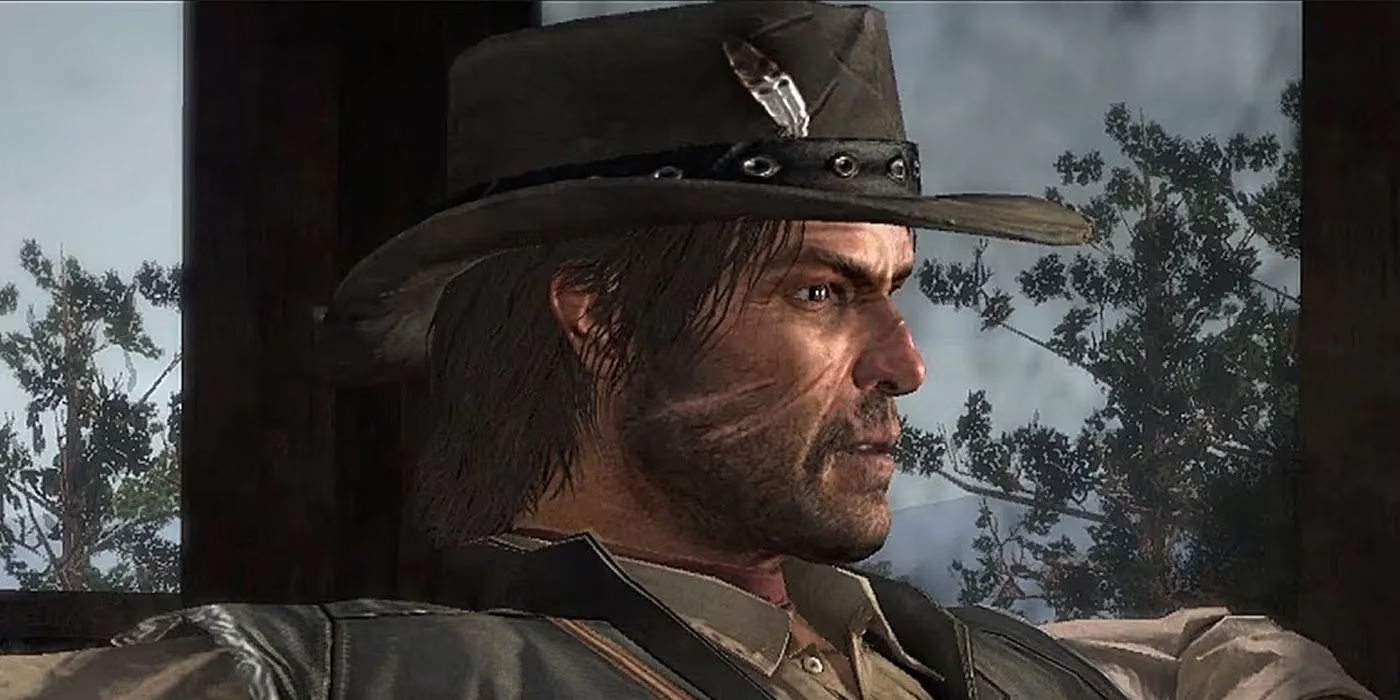
A character arc in Red Dead is a pocket watch dropped in the mud—the hands keep moving, but the face never comes clean. That feels especially true for the supporting cast. RDR2 gave us the before picture, and RDR1 shows the after picture: cracked, faded, and still hanging on the wall.
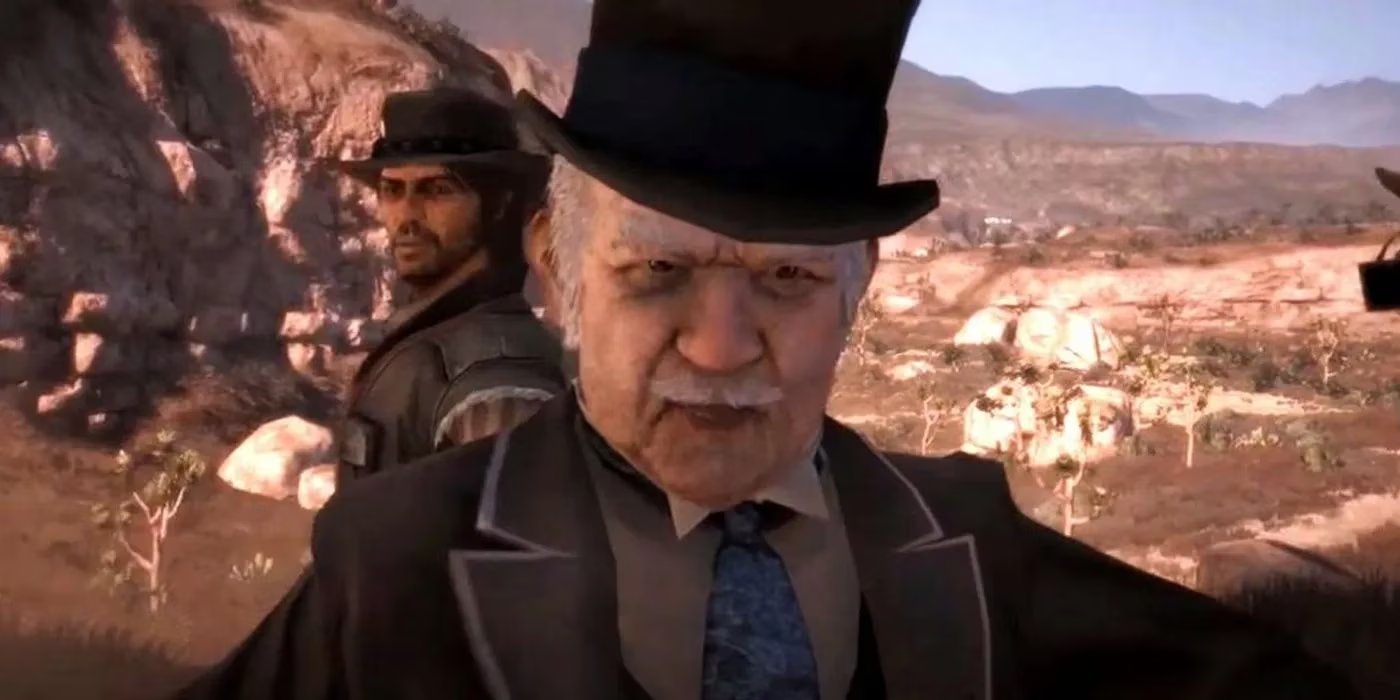
Nigel West Dickens
First line: 'Bugger fuck! Goddammit! Good heavens!'
Last line: 'So did I...so did I...a long story, but now it seems I'm...being put under arrest and charged with narcotic possession or some other such nonsense.'
Nigel is the salesman who would try to sell you the shirt off your own back, but his small stature and genuine charisma make him hard to hate. He starts as a down-on-his-luck traveler just trying to get by, and by the end it is clear that his association with John Marston cost him everything. The man John saved in a moment of need is the same man whose life unravels because of that connection. It is beautifully tragic, and it is exactly the kind of irony Red Dead does better than most games.
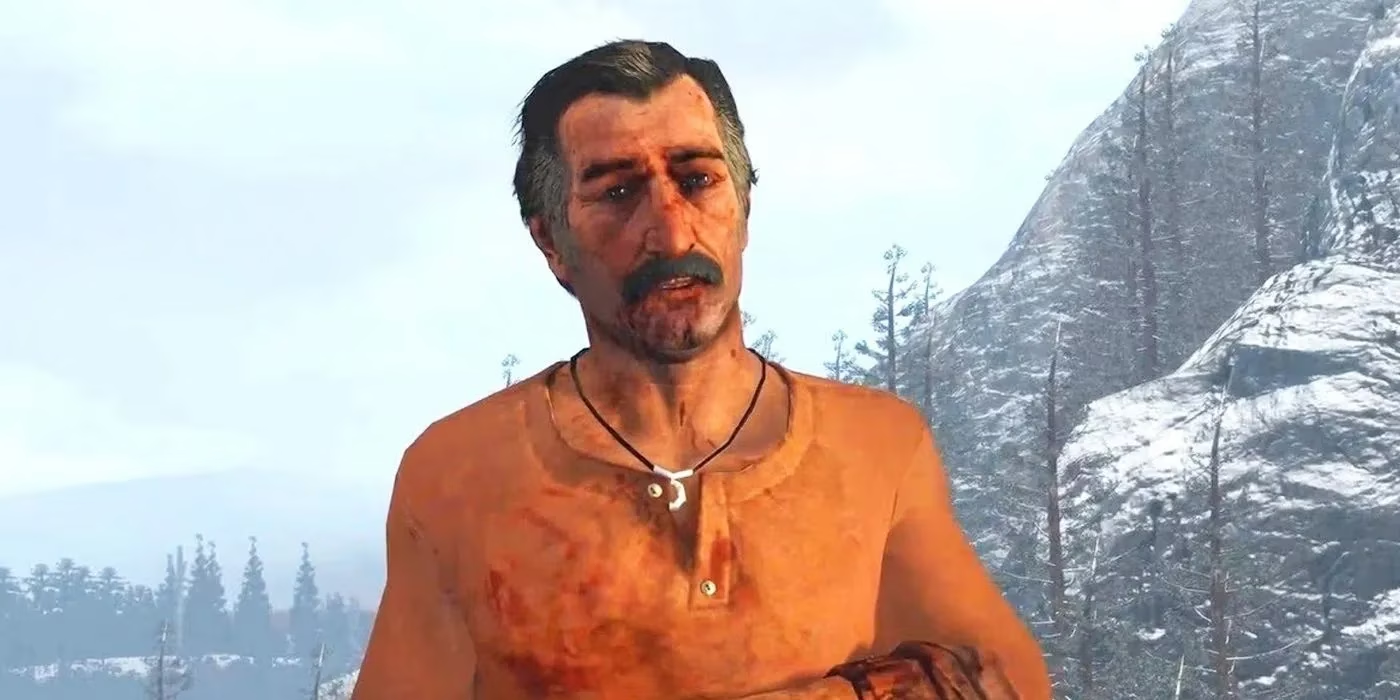
Javier Escuella
First line: 'Hello, brother. It's good to see you. I heard you was coming. You took your time, no? Come on, you're not going to shoot your own brother, are you? We was family.'
Last line: 'Yeah, go with your puto!'
If two words define Javier, they are revolution and loyalty. RDR2 explains his perspective on the Van der Linde gang and why he seems so pessimistic and disenfranchised. Arthur Morgan notes how Dutch losing his mind took a toll on Javier, because the thing Javier trusted turned out to be a fraud. That is why he mocks John with the language of family, and why he turns bitter when he realizes John's true intentions. Someone he once called a friend ultimately cost him everything.
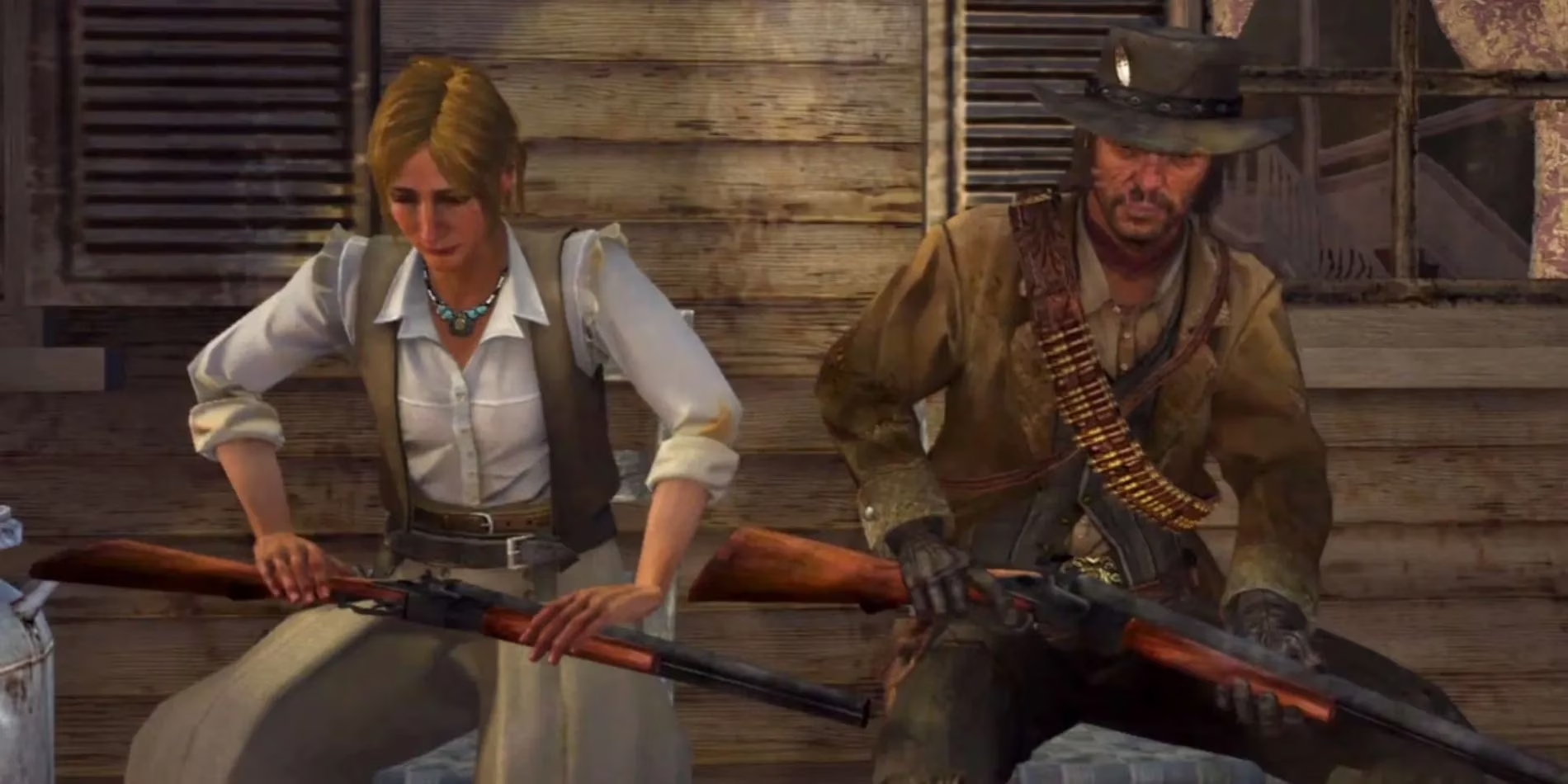
Bonnie MacFarlane
First line: 'Well you're alive.'
Last line: 'I'd say so too.'
Bonnie arrives in the opening moments as a hardworking, honest woman with a knack for fixing broken people. She sees something in John that most people miss, and she helps him find his redemption. Her last line is a witty response to Abigail's joke about her cooking, which is a small, warm moment in a game full of blood. Bonnie did her part in making John a better man, and her final image of him is a happy husband heading home with his wife. That is a quiet victory, and I appreciate it more every year.
Bill Williamson
First line: 'Go away now, John. Don't make me kill you.'
Last line: 'What the hell are you doing?'
Bill is an alcoholic coward who hides behind weapons and explosives to mask his lack of confidence. He makes threats he knows he does not have to follow through on because it makes him feel bigger. His downfall is that the people around him do not respect him, and when his partner chooses the possibility of freedom, it opens the door for John to kill them both. Bill is a sad man in a loud shirt, and that is the point.
Dutch van der Linde
First line: 'It's nice to see you, John.'
Last line: 'Our time is passed, John.'
Dutch is as classic as it gets when you think about the men who led gangs in the Old West. He is a charismatic salesman who can swindle anyone, and RDR2 strongly suggests that a brutal head injury helped push his mind off its rails. At the end of the day, he did see Arthur and John as found sons, and he shows John some respect in his final moments. That does not excuse him, but it does make him tragic rather than cartoonish.
Edgar Ross
First line: 'Mr. Marston. Fancy seeing you down here. I must say, it's a pleasant surprise to see you.'
Last line: 'Now get out of here before I kill you as well!'
Ross is a great villain because he thinks he is a good person. He enacts justice, eliminates criminal activity, and believes anything he does is justified in the name of the law. He uses a man to clean up his mess and kills him once his usefulness is gone. Yet he is not pure evil: he tries to convince Jack to leave before he is forced to kill him. The same ego and self-assurance that made Ross who he was ultimately led him to fall to a younger, quicker opponent. Memory here is a rattlesnake in a lunch pail: you know it is waiting, and it still bites when you open the lid.
Jack Marston
First line: 'Hello, sir.'
Last line: 'I ain't going nowhere, old man!'
The boy we meet as Jack and the hardened man we see later are a perfect example of how ruthlessly life can change a person. As a kid, Jack is kind, polite, and respectful of his elders. He is simply trying to understand the world. Later, he is fueled by revenge and wants nothing more than to make Edgar Ross pay for what he did to his father. When someone is taken from you, the fear of death disappears, and hatred and anger fester in its place. Jack's arc is not a power fantasy; it is a warning.
John Marston
First line: 'Sometimes.'
Last line: 'Now go. Git.'
With RDR2 adding so much context to who John was and who he became, his adventure in the first game feels more fleshed out. His first line is a response to someone asking if he is Mr. Marston. As an outlaw, he has faked his identity several times, so 'Sometimes' is perfectly fitting. In his final moments, all he wants to do is protect his family. He knows he is going to die, a moment he likely felt was inevitable, and though his words feel harsh, they come from love and duty. That is John in a nutshell: rough edges, soft center, and a tragedy he sees coming.
Final thoughts
In 2026, Red Dead Redemption still holds up because its characters are not just quest-givers. They are people who get worn down by the world and by each other. The first and last lines are tiny time capsules. They show who someone was trying to be and who they became after the story got its hands on them. I came back for the open world, but I stayed for the echoes.
A quick ledger of the cast:
-
🤠 John Marston: outlaw, father, doomed protector.
-
💼 Nigel West Dickens: charming snake-oil salesman with a tragic end.
-
🔥 Javier Escuella: loyal revolutionary turned bitter.
-
🐎 Bonnie MacFarlane: the honest hand that helps fix John.
-
💣 Bill Williamson: coward hiding behind explosions.
-
🎩 Dutch van der Linde: charismatic leader with a cracked mind.
-
⚖️ Edgar Ross: lawman who thinks he is the hero.
-
📖 Jack Marston: polite boy turned revenge story.
That is why I keep replaying this game. It is not about whether I can win. It is about hearing the last line and realizing the first line was already an ending.